
Reviewed · CURACAO SCUBA DIVING TOURS
PADI Open Water Course in 3 days
Curacao gives this three-day PADI course a fine setting: warm Caribbean water, reef sites, plenty of fish, and a real chance of seeing turtles. You complete the theory at home, then spend your island time learning practical skills in shallow water before making five sea descents, including a final one to 60 feet.
I like the small maximum group of four, which should give you more time with your instructor, and I like the calm teaching style associated with Julien and Are. The course also suits nervous beginners, since each skill is built up gradually rather than thrown at you all at once.
The main thing to consider is the commitment. This is not a single holiday activity squeezed into an afternoon. You need to finish the online theory before arrival, set aside three days, and have a moderate level of physical fitness. The $495 price is fair for a full certification course, but only if you want the qualification rather than a one-off underwater outing.
Key points at a glance
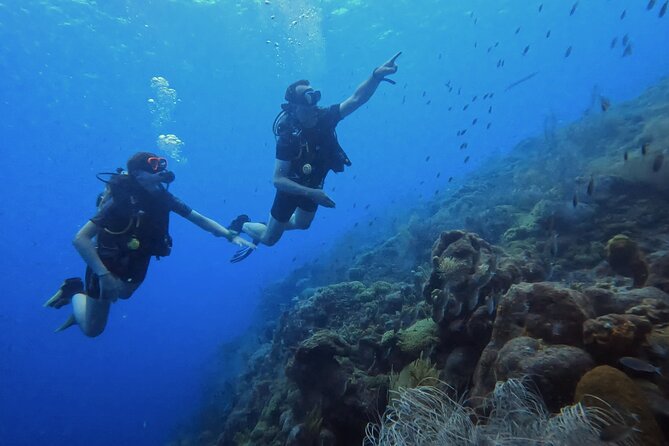
- Five underwater sessions: The program includes five descents, with practice in shallow water and a final maximum depth of 60 feet, or 18 meters.
- Theory before the holiday: An e-learning module arrives by email, letting you work through the classroom portion at your own pace before reaching Curacao.
- Small groups: The maximum is four people, a useful advantage when you are learning breathing control, buoyancy, and emergency skills.
- Friendly named instructors: Julien receives particular praise for clear, patient explanations, while Are also helps guide the course.
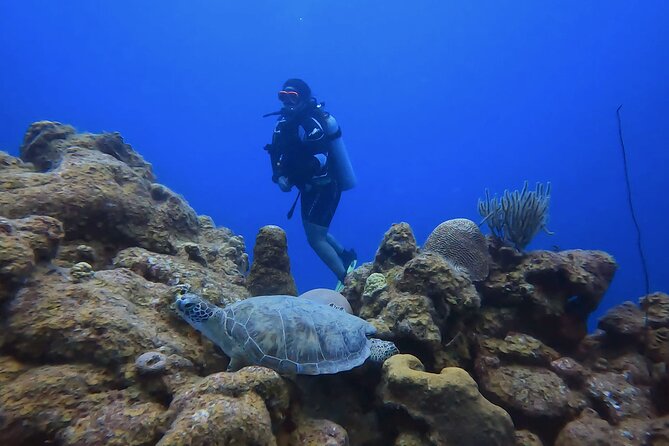
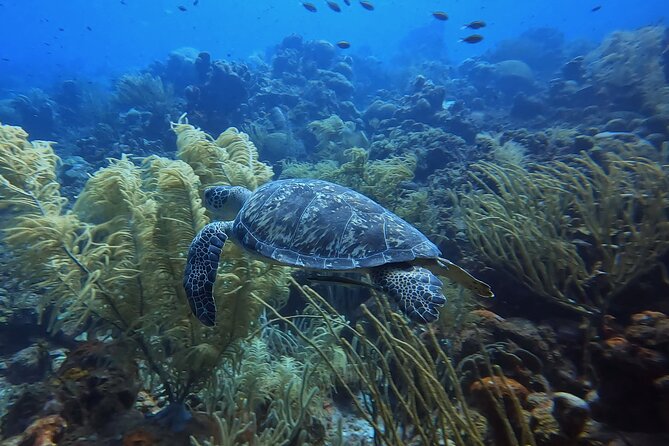
- Turtles and reef life: Fish are part of the underwater setting, and turtles are a common highlight at some sites.
- Cruise-terminal meeting point: The stated start point is the Curacao Cruise Terminal at 9:00 am, with pickup offered and the activity returning to the meeting point.
Why three days is a sensible pace for beginners
A PADI Open Water course asks you to learn more than how to breathe underwater. You must become comfortable with the equipment, manage your air supply, control your buoyancy, clear your mask, and respond to basic problems without panic. Trying to pack all that into one rushed day would make the experience tiring and less useful.
This course spreads the work over three days. That gives you time to make a mistake, listen to the correction, and try again. I especially like that the first practical work takes place in shallow water. For a new participant, standing or kneeling in a calmer area while practicing a skill can make a huge difference.
You will also have time to look around during the sea sessions. That matters because a certification course can otherwise feel like a long checklist. Here, the practical exercises are paired with a chance to see Curacao’s reef life and underwater scenery.
The final session reaches 60 feet, or 18 meters. That is the maximum depth listed for the course, not a promise that every part of every session will occur at that depth. Your instructor will decide how the training develops, but the stated limit gives you a clear idea of the level you are working toward.
More dive trips around Curacao
- Discover Diving in Curacao
★ 5.0 · 886 reviews - Curacao Helmet Diving-Walk the Ocean Floor, No Swimming Required
★ 5.0 · 761 reviews - Discover Scuba Diving in Curacao
★ 5.0 · 179 reviews
Finish the theory before you reach Curacao
The course begins before your plane lands. You receive an e-learning module by email and complete the theory at home, at your own pace.
That arrangement is one of the strongest practical features here. You can read the lessons when you are alert, pause when needed, and return to difficult sections instead of sitting through a long classroom block during your holiday. It also leaves more of your three days for water work.
Do not treat the online part as a formality. The theory explains the principles behind safe underwater travel, including why buoyancy, breathing, depth, and equipment checks matter. If you work through it carefully, you will arrive with a useful base and can spend more time asking questions about the skills that worry you most.
You should also allow enough time to finish the module before the course starts. The exact delivery timing can vary: bookings made within eight days of the activity may take up to 48 hours to confirm, subject to availability. That makes an early booking sensible, especially if your Curacao schedule is tight.
Day one: turning theory into practical skills
The first day moves from the screen to the water. You begin with the basic skills in shallow water, where the instructor can watch closely and help you get comfortable.
This stage is especially important if you have any fear of the sea. You can focus on breathing, body position, and equipment use without immediately worrying about depth. The instructors’ calm approach is a real asset here. Julien is described as clear and thorough, with a friendly manner that helps first-time participants relax.
Expect to refine your technique rather than simply perform each skill once. You may need several attempts to get comfortable with buoyancy or to coordinate breathing and movement. That is normal. The point is not to look polished on the first try. The point is to develop habits that feel automatic before you go farther from shore.
The shallow-water setting also lets you learn how small body movements affect your position. Too much kicking can waste air and stir up the water. Small, controlled movements are usually more useful. Your instructor can help you see that difference early in the course.
The exact order of skills and sites is not specified, so you should view day one as the foundation rather than a fixed sightseeing schedule. It will likely feel more instructional than scenic, and that is appropriate for the first stage of certification.
Days two and three: building confidence at reef sites
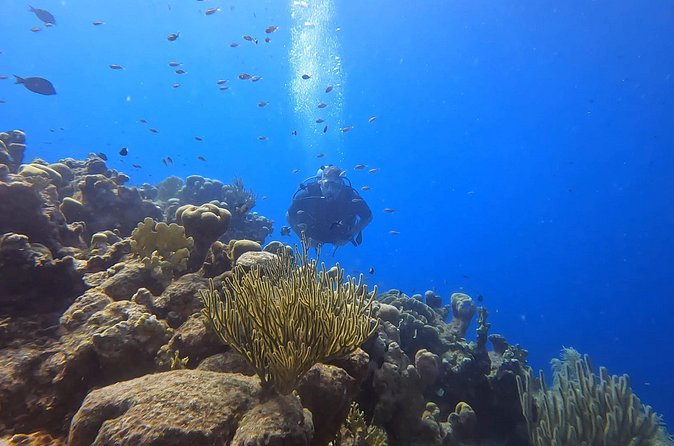
As your skills improve, the course takes you to different underwater locations around Curacao. The listed program includes five descents in total, giving you several chances to practice and observe marine life.
The variety of sites is valuable because no two locations require exactly the same awareness. You may need to manage your buoyancy near a reef, keep your position while completing a task, and stay aware of your instructor and group. These are the small lessons that make a certification useful beyond this holiday.
At the same time, you are not spending the entire session staring at gauges and practicing drills. There is time to look around and discover the underwater world. Fish are part of the experience, and turtles are a common highlight at some of the sites. A turtle sighting is never guaranteed, but it gives you a good reason to keep your eyes moving once the formal exercises are complete.
I would approach these days with two goals. First, complete each skill carefully and listen to corrections. Second, enjoy the setting. If you spend every minute worrying about doing everything perfectly, you may miss the reason people want to learn this sport in the first place.
The final descent reaches up to 60 feet. By this point, you should have had repeated practice with the basic techniques and buoyancy control. The depth is significant enough to feel like a proper progression, but the course remains within the stated Open Water limit.
Same island, a different sort of day:
- Klein Curacao Day Trip with Premium Open Bar and BBQ-Lunch
★ 4.5 · 1,302 reviews - Aquafari Tour in Curaçao
★ 5.0 · 1,240 reviews - Curacao: Swimming with Sea Turtles meets Sea turtle beach
★ 5.0 · 1,058 reviews - Klein Curacao Adventure Day Trip
★ 4.5 · 944 reviews
What the small group changes
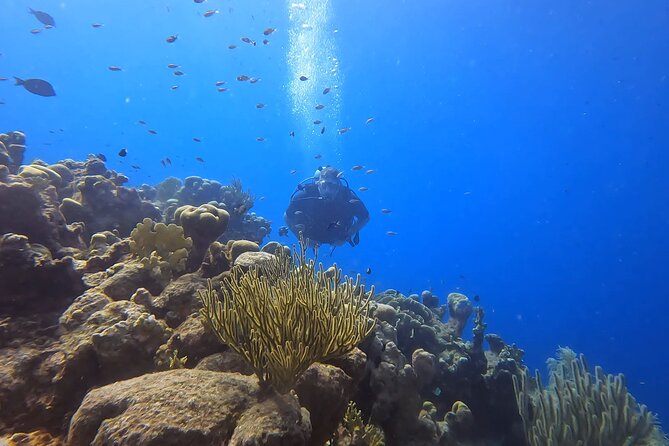
A maximum of four participants is a meaningful detail, not just a number on the booking page. Beginners often need individual corrections. One person may struggle with buoyancy, another with clearing a mask, and another with staying relaxed while breathing. A small group gives the instructor a better chance of noticing those differences.
It can also make the practical sessions feel less hurried. With fewer people sharing attention, you should have more opportunity to ask for another explanation or repeat a skill. That is particularly helpful if English is not your first language or if you are nervous about speaking up.
The tradeoff is that small-group availability can be limited. Confirmation is subject to availability, especially close to the activity date. If you have fixed flights or a cruise departure, do not leave the booking until the last minute.
The course meets at the Curacao Cruise Terminal at 9:00 am, and the activity ends back at the meeting point. Pickup is offered, but you should confirm the pickup arrangement when booking rather than assume it replaces the stated meeting point. A mobile ticket is provided, which makes it easy to keep the booking details on your phone.
The instructors and the tone of the course
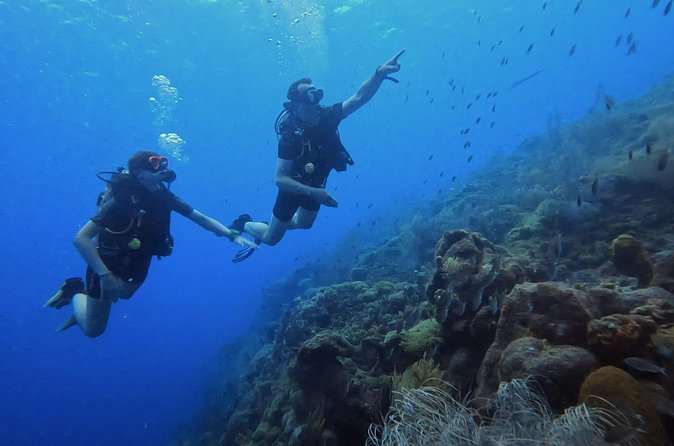
Julien is the instructor most clearly identified with the course. The strongest comments about him focus on friendly help, patient explanations, and a calm way of teaching. Those traits matter more than showy enthusiasm when you are learning to stay relaxed underwater.
Are is also named as part of the instruction team. The course is described as well guided by both instructors, with time for clear explanations and practical support. Since the group is capped at four, you are not being sent through the water as part of a large class.
The human side of a beginner course can make or break the experience. A technically correct explanation is not enough if you feel rushed or embarrassed about needing help. The available feedback points to a relaxed atmosphere, with plenty of laughter alongside the serious safety work.
That does not mean the course is casual. You still need to pay attention, complete the theory, and meet the practical requirements. The friendly tone simply makes the learning process less intimidating.
What the $495 price really buys you
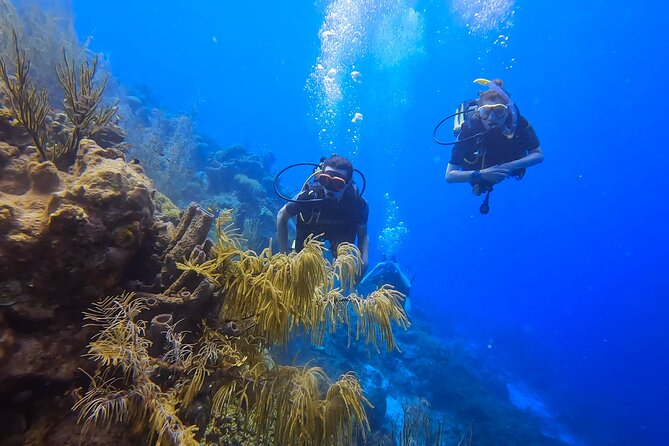
The listed price is $495 per person. That is more than you would pay for a single introductory underwater session, but this is a certification course spread across three days, with e-learning and five practical descents.
The value depends on your goal. If you want to try breathing underwater once, this is more commitment and expense than you need. If you want a recognized starting qualification and expect to continue underwater recreation, the price is easier to justify because you are paying for instruction, repeated practice, and a structured progression rather than a brief look at a reef.
The small group adds value, too. Individual attention is important during beginner training, and a four-person limit is much more useful than a vague promise of personal service.
The price does not come with a detailed list of included equipment, meals, or transfers in the supplied information. I would ask about those points before paying, especially if you need transportation from your accommodation. Do not assume that every extra service is included simply because pickup is offered.
The experience is non-refundable and cannot be changed after booking. That makes the schedule worth checking carefully before you commit. You should also consider weather, illness, and your onward travel plans, since a three-day course needs room in your itinerary.
Who should choose this Curacao course
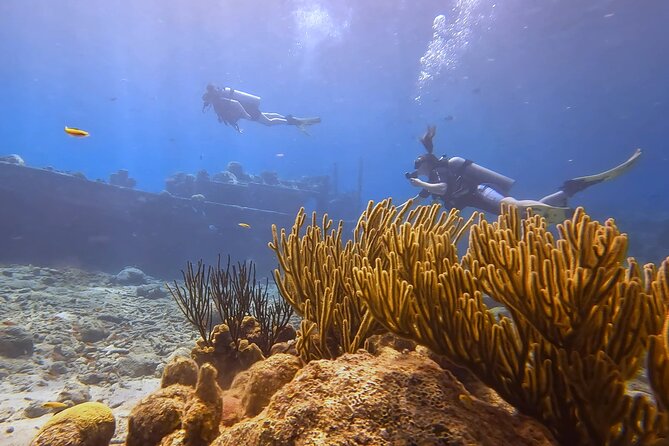
I would recommend it most strongly to a first-time participant who wants to earn the PADI Open Water qualification and has three days available. It also suits someone who feels uneasy about the sea but wants patient instruction. The staged shallow-water practice and small group can help turn anxiety into control.
It is a good fit for couples or friends who want to learn together, provided everyone is ready for the same time commitment. It can also suit an experienced swimmer who has never used scuba equipment, though swimming ability alone does not replace the need to learn the underwater skills.
You should think twice if your schedule allows only one free morning. This is not a quick resort activity. You need to complete the theory in advance and attend the practical work across three days.
The course also calls for a moderate physical fitness level. No detailed medical requirements are supplied here, so if you have a health concern, ask the operator before booking rather than waiting until arrival.
Practical details worth knowing before you book
Plan to start at 9:00 am at the Curacao Cruise Terminal, listed at Gouverneur van Slobbeweg in Willemstad. The activity returns to the meeting point at the end.
A confirmation normally arrives at booking. If you book within eight days of the scheduled date, confirmation may take up to 48 hours and depends on availability. Keep the mobile ticket accessible, and confirm any pickup details directly.
Set aside time before your holiday for the e-learning module. You will get more from the course if you arrive knowing the basic terms and ready to ask focused questions.
Finally, leave breathing room after the course if you plan other strenuous activities. The supplied information does not give a detailed post-session schedule, so it is wiser not to build a packed itinerary around the final day.
Should you book the PADI Open Water course?
Book it if you want a real qualification, not just a one-time underwater look. The strongest reasons are the five practical sessions, small groups of no more than four, the at-home theory, and the patient instruction linked with Julien and Are.
I would be especially comfortable recommending it to a nervous beginner who values personal guidance. The turtle sightings and Curacao reef sites add pleasure, but the real value is learning skills you can use after the holiday.
Skip it if you cannot commit to all three days, do not want to complete online theory, or are looking only for a short recreational outing. At $495, it makes sense when certification and repeated practice are your aim.
FAQ
How long does the PADI Open Water course take?
The course lasts approximately three days. You complete the theory through an e-learning module before arriving, then attend the practical water sessions in Curacao.
How many underwater sessions are included?
The program includes five descents. These include shallow-water practice and a final descent to a maximum depth of 60 feet, or 18 meters.
What is the deepest point reached during the course?
The final descent can reach a maximum of 60 feet, or 18 meters.
Where does the activity start?
The stated meeting point is the Curacao Cruise Terminal at 4335+V82, Gouverneur van Slobbeweg, Willemstad, Curacao. The activity ends back at the meeting point.
What time does the course start?
The stated start time is 9:00 am.
How many people can join the course?
The activity has a maximum of four participants. Pickup is offered, and a mobile ticket is available.
Just added around Curacao
- Blue Curacao Factory and City Tour★ 5.0 · 3 reviews
- Taste of Curaçao: City Tour, Chobolobo & Mambo Beach★ 5.0 · 7 reviews
- Curacao Sea Trek Snuba Combo Walk Tour and Dive the Ocean★ 5.0 · 4 reviews
- Curacao Private Transportation★ 4.0 · 5 reviews
- Curacao Sea Turtle Swim and West Side Natural Highlights★ 4.5 · 10 reviews
- Ultimate Full-Day Private Tour: Discover all Curacao highlights★ 5.0 · 8 reviews
- Vibrant City Tour by Night: The perfect night out when in Curacao★ 4.0 · 8 reviews
- Turtles, Beach and Flamingo in Curacao Private photoshoot Tour★ 5.0 · 4 reviews
Curacao Scuba Diving Tours, compared.
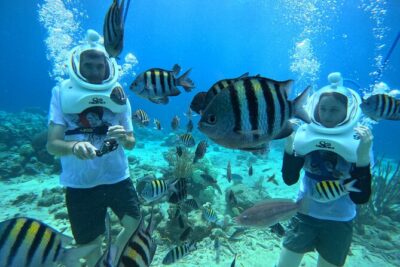
Curacao Helmet Diving-Walk the Ocean Floor, No Swimming Required
Read our review →
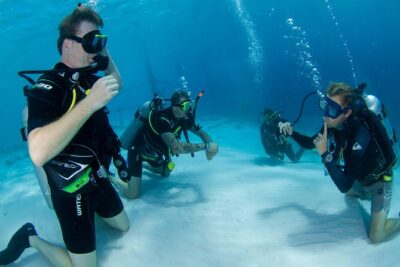
Guided Shore Dive for Certified Divers with Scubaçao (2 tank)
Read our review →
Introduction Shore Dive with Scubaçao (1 dive)
Read our review →
2 tank guided dive House Reef (Pierbaai Reef and Car Pile)
Read our review →
Personalized Discover Scuba Dive Experience in Curaçao
Read our review →Browse the lists this tour appears in